If you’re building a serious podcast setup, XLR is still the long-term move. You get better sound quality, cleaner gain control, and real upgrade flexibility — even at the budget level.
The catch? Under $100, you need to be smart about picking mics that don’t require tons of extra gear just to sound good.
This list focuses on voice clarity, noise rejection, build quality, and real-world podcast use — not studio hype.
🏆 Best Overall XLR Mic Under $100
🎤 Rode PodMic
This is the closest thing to a “pro podcast mic on a budget.”
Why it wins:
- Tuned specifically for spoken voice (podcasting focus)
- Strong noise rejection (great for untreated rooms)
- Built-in pop filter + internal shock damping
- Solid, all-metal broadcast-style build
It’s one of the few sub-$100 XLR mics that already sounds “finished” without heavy EQ.
💡 Best for: podcasting, YouTube voiceovers, solo content creators

🎙️ Best Value Hybrid (USB + XLR)
🎤 Samson Q2U
This is still one of the most recommended beginner podcast mics for a reason.
Why it stands out:
- Works via USB and XLR (huge flexibility)
- Comes with basic accessories in the box
- Very forgiving in non-treated rooms
- Easy upgrade path into full XLR setups later
It’s not the “cleanest studio sound,” but it’s the easiest way to start properly.
💡 Best for: beginners, flexible setups, budget-conscious creators

🎙️ Best Budget Dynamic Mic (Classic Workhorse)
🎤 Shure SM58
This mic has been used in studios, stages, and broadcasts for decades — and it still holds up.
Why it’s still relevant:
- Extremely durable (you can literally drop it)
- Natural, neutral vocal tone
- Handles loud voices without distortion
- Industry-standard reliability
It’s not “podcast-tuned,” but it’s consistent and dependable.
💡 Best for: voiceovers, live recording, multipurpose audio

🎙️ Best Clean Studio-Style Entry Mic
🎤 Audio-Technica AT2020
If you have a quiet room, this is one of the cleanest sounding mics under $100.
Why it’s good:
- Condenser capsule = more detail and clarity
- Crisp, studio-style vocal reproduction
- Widely used entry-level recording mic
⚠️ Tradeoff: it picks up more room noise than dynamic mics
💡 Best for: controlled environments, voiceovers, home studios

🎙️ Honorable Mention (Ultra Budget Option)
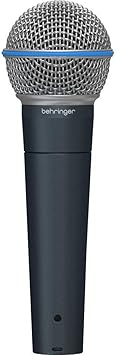
🎤 Behringer BA 85A
Not flashy, but shockingly usable for the price.
Why it’s included:
- Very low cost entry into XLR
- Dynamic mic = good noise rejection
- Decent vocal tone with basic EQ
💡 Best for: ultra-budget setups, backups, experimental rigs
📊 Quick Comparison
| Mic | Type | Best For | Strength | Weakness |
|---|---|---|---|---|
| Rode PodMic | Dynamic | Podcasting | Broadcast sound | Needs interface |
| Samson Q2U | Dynamic | Beginners | USB + XLR flexibility | Slightly less refined tone |
| Shure SM58 | Dynamic | All-purpose | Durability + reliability | Not podcast-optimized |
| AT2020 | Condenser | Studio setups | Clean detail | Room noise sensitive |
| XM8500 | Dynamic | Ultra budget | Cheap + usable | Requires EQ work |
🎯 Final Take
If you’re building a podcast setup under $100:
- 🏆 Best overall: Rode PodMic
- 🔁 Best starter + flexibility: Samson Q2U
- 🧱 Most durable all-rounder: Shure SM58
- 🎧 Cleanest studio tone (quiet rooms): AT2020
- 💸 Cheapest usable option: XM8500
🔥 Real talk
At this price range, the mic matters — but your audio interface, room noise, and mic distance matter just as much (sometimes more).
A $99 mic in a good setup will beat a $300 mic in a bad room every time.